Demolition management plan: selective demolition, properly followed up
For larger demolition works in Flanders, a demolition management plan (sloopopvolgingsplan) is mandatory. It shows which materials are released and how you separate them. Boengi draws up the plan and follows up the site until the demolition certificate.
Last updated: · by the Boengi team

What is a demolition management plan?
A demolition management plan (SOP) is an inventory of all waste materials released during demolition: hazardous substances such as asbestos, but also concrete, masonry, wood and metal. The plan describes how to remove them selectively.
A recognised demolition management organisation, usually Tracimat, checks the plan and its execution. Is everything in order? Then you receive a demolition certificate (sloopattest). With that certificate, your rubble can go to the crusher as low-risk material, which is often cheaper.
Asbestos and SOP in one hand
The demolition management plan builds on the asbestos inventory. Have Boengi do both, and they fit together seamlessly.
Mandatory in Flanders under VLAREMA, among others for larger non-residential buildings and certain infrastructure works. Thresholds (e.g. building volume) (to be confirmed)
When is a demolition management plan mandatory?
In Flanders, you need a demolition management plan for:
- Demolition or dismantling of larger non-residential buildings (offices, warehouses, schools …).
- Demolition of large residential or mixed-use buildings.
- Infrastructure works where a lot of paving or subsoil is broken up.
- Works where the client requires a demolition certificate, even below the thresholds.
Not sure whether your project falls under the obligation? Send us the details, we will confirm it. (to be confirmed)
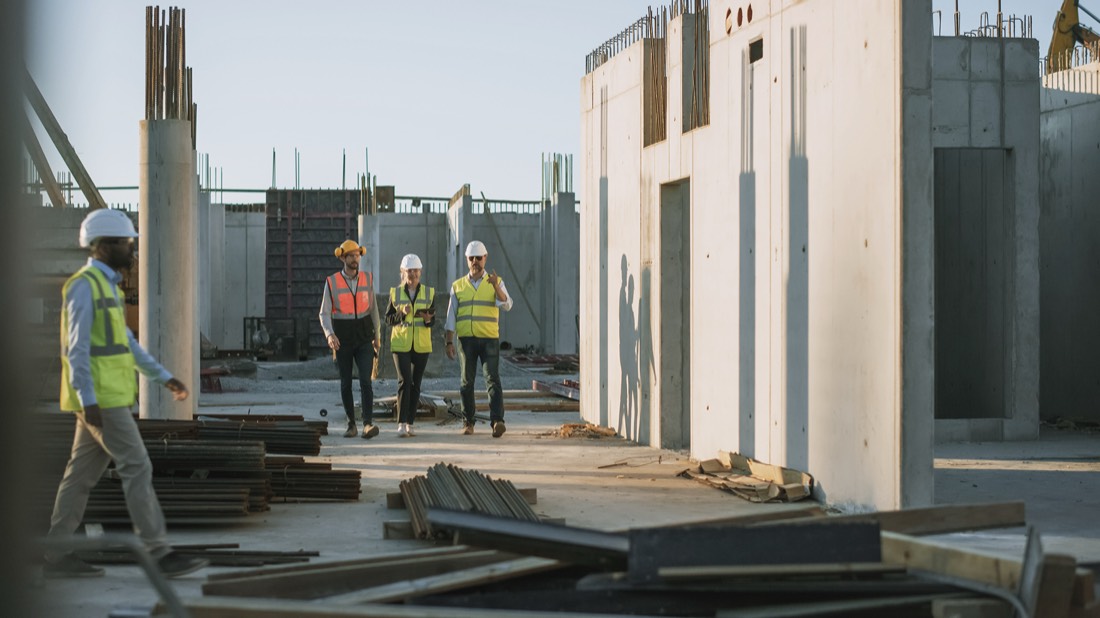
From plan to demolition certificate.
Drafting the plan
We inventory all materials, using the asbestos inventory as a basis, and submit the plan to Tracimat.
Follow-up on site
During demolition, we check that hazardous substances are removed first and that waste streams stay separated.
Demolition certificate
We gather the evidence and guide the final inspection. You receive the demolition certificate for your rubble.
A firm grip on your demolition site.
- Complete demolition management plan, ready for Tracimat
- Alignment with the asbestos inventory
- Follow-up of the selective demolition
- Traceability of all waste streams
- Guidance up to the demolition certificate
More than an obligation.
- Cleaner rubble that is easier to reuse
- Often lower costs at the crusher
- Less risk of fines or halted sites
- Proof of correct work for your client
Questions about the demolition management plan.
In Flanders, for the demolition or dismantling of larger buildings and for certain infrastructure works. The exact thresholds depend on the type of building and the volume. (to be confirmed)
Tracimat is a recognised demolition management organisation in Flanders. It checks demolition management plans and their execution, and issues the demolition certificate.
The asbestos inventory only looks for asbestos. The demolition management plan covers all materials released, and how you separate them. So the inventory is one part of the plan.
An expert appointed by the client. Boengi takes on that role, from drafting to final inspection.
Also of interest
Planning to demolish?
Start with a correct demolition management plan. Tell us about your project, we respond within one working day.
Request a proposalor mail info@boengi.be